

INTRODUCTION
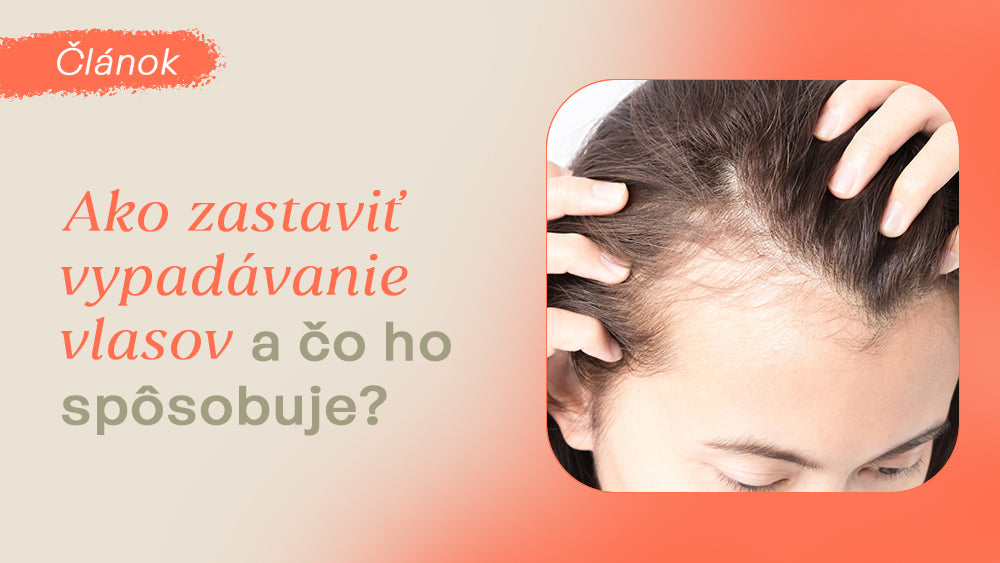
Hair loss is a common problem affecting both men and women of all ages. Many factors can cause hair loss, including genetics, hormonal changes, stress, improper diet, excessive heat styling, excessive coloring, and many others.
It is important to emphasize that addressing the problem of hair loss requires a comprehensive approach. This means that it is necessary to consider not only external hair care but also internal factors such as diet, lifestyle, and genetic predisposition.
In some cases, the help of a specialist, such as a dermatologist or trichologist, may be needed to identify the specific causes of hair loss and propose appropriate treatment methods.
It is important to understand that solving hair loss is not a one-time process, but a continuous effort and care for hair from both the outside and inside.
Understanding Hair Growth:
How does hair develop?
- At the beginning, information is exchanged between two germ layers: between the epidermis and the dermis.
- In the lower part of the epidermal tissue, fibroblast cells cluster, forming a germinal knot.
- Later, further cell division occurs, and a germinal peg forms.
- First, 3 distinct cell buds form below each other on the same side of the peg. From these, the accessory organs of the hair arise – first the apocrine (sweat) gland, below it the sebaceous gland, and to the last bud attaches the hair arrector muscle (a muscle that erects the hair when cold, causing goosebumps).
- Further cell division creates the follicle – a sac in which the mother zone, called the matrix, forms. In the matrix, hair fibers are formed, and melanocytes are created – pigment cells that produce the hair pigment melanin.
- The hair sheath, which covers the hair, is also formed here.
- Finally, keratinization occurs here = the hardening of the hair. Lanugo first grows from the sac, then vellus, and finally terminal hair. The hair root is the part of the hair apparatus located in the dermis. Its lowest, enlarged part is called the hair bulb. In it, the skin cells connect with the papilla in the dermis, creating a contact surface through which information about the development and growth of the hair shaft is transmitted.

The hair bulb has two parts:
- Hair papilla
- Matrix – the mother zone mentioned above
The hair papilla is the basic part of the hair root, and its role is to nourish the hair because nutrients flow through it from the blood vessels into the hair bulb + it forms a reservoir of information about the hair.
The hair papilla is the basic part of the hair root, and its role is to nourish the hair because nutrients flow through it from the blood vessels into the hair bulb + it forms a reservoir of information about the hair.
The matrix is located above the hair papilla and has 3 basic areas:
- Growth area – here, hair cells (keratinocytes) multiply and form, and pigment cells (melanocytes) that produce the hair pigment melanin are also formed here.
- Shaping area – here, the 3 basic parts of the hair shaft originate: the cuticle, cortex, and medulla.
- Keratinization area – the keratogenic zone, where keratinization occurs, resulting in a firm, hard, cornified hair.
How do hairs grow?
Throughout a person's life, hair is in a growth cycle, which has 3 phases and repeats continuously. These phases are the cause of natural hair shedding. It is crucial to distinguish between natural shedding and a hair problem.
Each hair is in a different growth phase, so it is impossible for all hairs to fall out simultaneously and regrow. Between 50 and 100 hairs can fall out daily, which cannot be considered rapid shedding. Pathological hair loss occurs when you literally pull out clumps of hair several times from your head and notice that your hair has thinned very rapidly.

1. Anagen phase – growth
- The hair bulb (the lowest part of the hair root) is firmly pressed against the hair papilla; it acts as a reservoir of information about the hair, and nutrients enter it through blood vessels.
- The basic parts of the hair gradually begin to form: cuticle, cortex, and medulla cells.
- Melanocytes begin to produce melanin, which gives hair its color.
- Cell division causes them to move upwards, making the hair grow.
- The growth phase typically lasts 2–6 years, in some cases up to 10 years – however, this depends on many factors, and this phase determines the maximum length the hair can grow.
- Approximately 86% of all hairs on the head are in this phase.
- We say the hair is alive – it is growing.
- The hair follicle (sac) is located in the middle layer of the skin called the dermis, and the hair growing from it passes through the epidermis to the surface.
- Such hair can be forcibly pulled out (this is only for information, do not do it), causing a slight pain. If we run a finger along the hair, we will find that both ends are smooth.
2. Catagen phase – transitional
- Lasts approximately 1–2 weeks.
- Bulbs degenerate and die.
- Hair pigment production stops in melanocytes.
- The blood vessels leading to the hair gradually clog, eventually becoming blocked. The hair can no longer receive nourishment.
- Cell division stops, and the hair cannot grow.
- The bulb gradually separates from the papilla, meaning the hair dies.
- About 13% of all hairs on the head are in the transitional phase. The hairs do not grow, and we refer to them as dead.
- Such hair is easily recognizable: if you run your finger along it, you will feel a small bump at its end (near the root).
3. Telogen phase – resting
- The hair moves upwards towards the skin and remains in the opening of the sebaceous gland until it falls out. It is merely "inserted," and with a strong brush stroke or during washing, it can be easily pulled out.
- The papilla leaves its original position, slowly moves upwards, and comes into contact with the rest of the bulb.
- This phase lasts 2–3 months, and 1% of all hairs on the head are in this phase.
Over the next 2–5 months, the hair apparatus prepares for the growth of new hair. It can be said, unscientifically, that hair does not grow, but that would not be entirely true: the growth cycle cannot be stopped. It seems that way because some hairs fall out, and there is a wait until a new hair can develop. However, this does not happen with all hairs, only with those that have just fallen out. For these, the follicle is ready for the birth of a new hair, meaning it is empty. Then the cycle resumes. Information exchange occurs between the two germ layers. The papilla's activity is renewed, positioned higher than before – it receives nutrients, and a new hair begins to grow. Over a person's life, 1 hair follicle can produce 20–30 hairs.
A person's head has an average of 120,000 hairs. Blond-haired people have more hair, about 140,000, but it is finer and thinner, which makes it seem like there is less of it.
The darker the hair, the thicker it is, but there is less of it.
Factors Affecting Hair Growth (Hormones, Nutrition, Stress)
1. Hormonal Balance:
Hormones have a significant impact on hair growth. Hormonal imbalances, such as an excess of dihydrotestosterone (DHT) in men or an imbalance of estrogen and progesterone in women, can cause hair loss. Testosterone converts to DHT, which can shrink hair follicles in men and lead to hair loss. In women, hormonal changes during pregnancy, menopause, or the use of hormonal contraceptives can affect hair growth.
2. Nutrition:
Proper nutrition is key to healthy hair. A deficiency in certain nutrients, such as biotin, vitamin D, iron, zinc, and proteins, can negatively impact hair growth. Biotin, for example, plays an important role in the formation of keratin, the basic protein of hair, and its deficiency can lead to brittle and weak hair.
3. Stress:
Chronic stress can have an adverse effect on hair health. When we are under stress, our body produces stress hormones, such as cortisol, which can affect the hair growth cycle and cause hair loss. Additionally, stress can lead to unhealthy habits, such as hair pulling or excessive hair styling, which can also contribute to hair damage and loss.

It is important to remember that these factors are often interconnected and can influence each other. For example, stress can affect our diet, and diet can affect our hormone levels. Therefore, it is important to be able to identify and manage these factors to achieve healthy hair growth.
2. Identifying Causes of Hair Loss:
- Genetic predispositions
- Hormonal changes (pregnancy, menopause)
- Nutrient deficiencies (iron, zinc, biotin)
- Chronic diseases (thyroid, diabetes)
- Psychological stress
- Inappropriate hair care (aggressive products, styling techniques)
- Seasonal fluctuations
3. Types of Hair Loss:
Diffuse hair loss (most common type)
Diffuse hair loss can be manageable, but it requires a comprehensive approach that includes treating the cause, adjusting lifestyle, and hair care. It is important to consult a trichologist to identify the cause and suggest appropriate treatment methods.
Circular hair loss (alopecia areata)
Circular hair loss, also known as alopecia areata, is an autoimmune disease characterized by hair loss in the form of round or oval patches on the scalp or other hairy parts of the body. This condition can affect men and women of any age, often developing in childhood or adolescence. It is important for patients with alopecia areata to seek professional help from a trichologist who can diagnose the condition and recommend the most appropriate treatment depending on the severity and extent of the condition.
It is important for patients to seek professional help from a trichologist who can diagnose the condition and recommend the most appropriate treatment depending on the severity and extent of the condition.
Androgenetic alopecia (baldness)
In men, androgenetic alopecia is often called "male pattern baldness" and typically manifests as a gradual receding hairline on the forehead and crown of the head. In women, it can manifest as sparse hair on the crown of the head or generally thinned hair all over the head.
The main cause of androgenetic alopecia is genetic predisposition and hormonal factors. Male pattern baldness is often associated with an excess of the male hormone testosterone, which is converted to dihydrotestosterone (DHT) by the enzyme 5-alpha-reductase. DHT is responsible for narrowing blood vessels in the hair and weakening hair follicles in individuals with a genetic predisposition, leading to hair loss.
In women, androgenetic alopecia can also be caused by an excessive amount of androgens, such as testosterone, or the sensitivity of hair follicles to these hormones. Hormonal imbalance during pregnancy, menopause, or the use of hormonal contraceptives can also contribute to hair loss in women.
It is important for patients to seek professional help from a trichologist who can diagnose the condition and recommend the most appropriate treatment depending on the severity and extent of the condition.
4. Solutions for Hair Loss:
Lifestyle changes (healthy diet, stress reduction, sufficient sleep)
Lifestyle changes can have a significant impact on hair health and can be an important part of hair loss treatment. Here is more information on how a healthy diet, stress reduction, and sufficient sleep can affect hair growth and alleviate hair loss problems:
- Healthy diet: Regular consumption of a balanced and nutrient-rich diet can promote healthy hair growth. Some nutrients important for hair include protein, iron, zinc, biotin, vitamin A, vitamin C, and omega-3 fatty acids. Include foods such as salmon, avocado, nuts, seeds, meat, dairy products, fruits, and vegetables in your diet.
- Stress reduction: Chronic stress can negatively affect hair health and exacerbate hair loss problems. Regular relaxation, meditation, exercise, deep breathing, and other stress-reduction techniques can help relieve tension and reduce stress-related hair loss.
- Sufficient sleep: Lack of sleep can negatively impact overall health, including hair health. During sleep, the body regenerates and repairs itself, which is also important for hair health. Try to maintain a regular sleep schedule and ensure you get enough rest.
- Hydration: Adequate water intake is important for hair health as it helps keep hair hydrated and elastic. Drinking enough water helps flush toxins from the body and promotes blood circulation, which can have a beneficial effect on hair growth.
- Caution with hair styling: Excessive use of heat styling tools, aggressive coloring, or chemical treatments can damage hair and contribute to hair loss. Try to minimize the use of flat irons, hair dryers, and aggressive chemicals, and opt for gentler and more natural hair styling methods.
Andreine offers a wide range of natural products designed to support healthy hair growth and alleviate hair loss problems. These products are developed with an emphasis on using natural ingredients and a gentle approach to hair.
Shampoos: Andreine shampoos are formulated with gentle and natural ingredients that help cleanse the scalp and strengthen hair follicles. These shampoos contain ingredients such as herbal extracts, vitamins, minerals, and oils that support healthy hair growth and improve the overall condition of the hair.
Tonics: Andreine tonics are designed for topical use and aim to stimulate the vascular system of the scalp and strengthen hair follicles. These tonics contain active ingredients such as biotin, urea, rice water, caffeine, niacinamide, various herbal extracts, and vitamins, which help improve blood flow to hair follicles and promote hair growth.
Nutritional products: Andreine nutritional products are designed for internal use and provide the body with nutrients and vitamins that are important for healthy hair follicles and hair growth. These products contain ingredients such as saw palmetto, keratin, B vitamins, zinc, iron, and others that promote strong and healthy hair.
Andreine's overall approach to hair care focuses on providing gentle and effective products that help restore and maintain hair health. Their philosophy also includes environmental care and ethical considerations, which is why their products are often made from natural and organic ingredients and are packaged in recyclable materials. Before use, it is always important to read the manufacturer's instructions and recommendations and adapt the use of products to individual needs and hair type.
5. Preventing Hair Loss:
- Healthy diet: Consume a balanced diet rich in nutrients such as proteins, vitamins (e.g., vitamins A, B, C, D, E), minerals (e.g., iron, zinc), and omega-3 fatty acids. These nutrients are essential for hair health and promote hair growth and strength.
- Adequate water intake: Stay hydrated by drinking enough water. Sufficient water intake helps keep hair hydrated and healthy.
- Caution with hair styling: Minimize the use of heat styling tools, such as flat irons and hair dryers. These tools can damage hair and make it brittle and prone to breakage.
- Sun and chemical protection: Use products to protect hair from sun exposure and chemicals such as dyes and chemical treatments. These substances can damage hair structure and contribute to hair loss.
- Stress reduction: Try to minimize daily stress through relaxation techniques such as meditation, yoga, exercise, or deep breathing. Chronic stress can negatively affect hair health and cause hair loss.
- Regular hair care: Maintain a regular hair care routine, including shampooing, conditioning, and hair treatments. Choose shampoos and conditioners that are suitable for your hair type and do not contain harsh chemicals.
- Consultation with a specialist: If you are experiencing hair loss problems, consult a trichologist. These experts can provide professional advice and recommend appropriate treatments or products to address your specific issue.

Hair loss is a common problem affecting many people worldwide and can have various causes including genetics, hormonal changes, stress, poor lifestyle habits, or illnesses. It is important to realize that hair loss can be a symptom of more serious health problems, so it is crucial to consult a doctor or trichologist.
A trichologist's individual approach to solving hair loss is key because everyone has a different cause and different needs. There is a wide range of treatment options and products on the market, but not all are suitable for everyone. It is important to consult a specialist who can provide an accurate diagnosis and recommend appropriate treatment or products based on your individual needs and hair type.
However, prevention and hair health care can help minimize the risk of hair loss and keep hair strong, healthy, and beautiful. Be patient and seek professional help if hair loss problems become severe or long-lasting.