

Atopic dermatitis is one of the most common chronic inflammatory diseases with very unpleasant symptoms. It can make life difficult for children and many adults, affecting approximately 2-3% of the adult population.
Why does atopic dermatitis occur at all?
The exact cause of atopic dermatitis is not entirely clear, but several factors are thought to contribute to it:
- Genetic predisposition: Research suggests there is a family tendency to atopic diseases (atopic dermatitis, asthma, and hay fever). If one or both parents have atopic dermatitis, their offspring are more likely to have a predisposition to this condition.
- Skin barrier dysfunction: The skin of patients with atopic dermatitis often has a compromised protective barrier that normally retains moisture and protects against external factors. This barrier dysfunction can allow better penetration of allergens and irritants into the skin, leading to inflammation.
- Immune reaction and allergens: Atopic dermatitis is often associated with an excessive immune reaction of the body to certain substances, such as food allergens, dust mites, pollen, animal dander, and the like. This excessive reaction can cause skin inflammation and symptoms of atopic dermatitis.
- Environmental factors: External factors such as dry air, cold weather, heat irritation, sweat, household chemicals, and stress can trigger or worsen symptoms of atopic dermatitis.
- Psychological factors: Stress, anxiety, and other psychological factors can play a role in the onset and worsening of atopic eczema symptoms, in which case we are talking about neurodermatitis. Constant scratching of the skin can be a reaction to stress and can create a vicious cycle where itching and stress exacerbate each other.
How does atopic eczema manifest?
Atopic eczema manifests in two alternating phases:
- Flare-up phase: severe occurrence of eczema
- Remission phase: skin is symptom-free
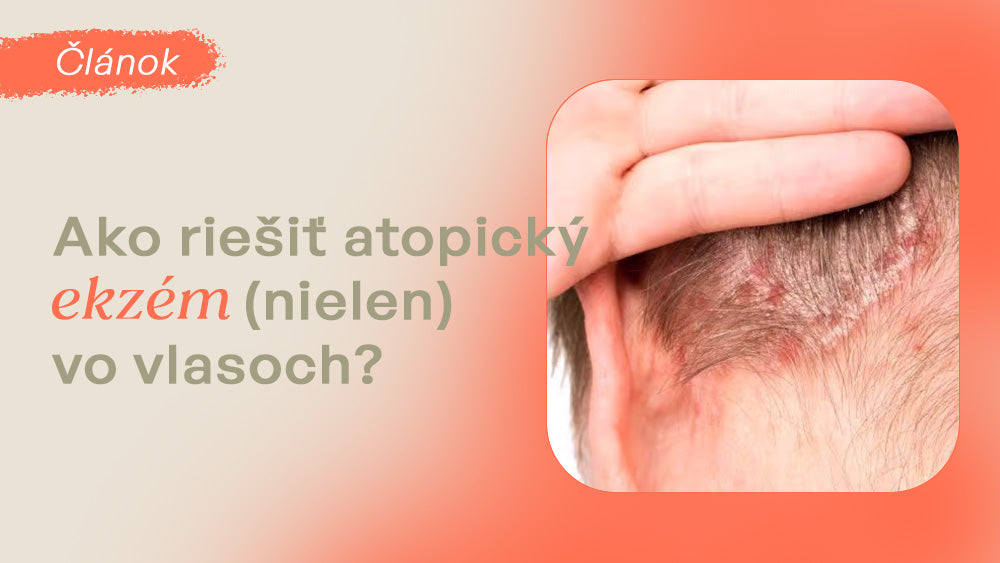
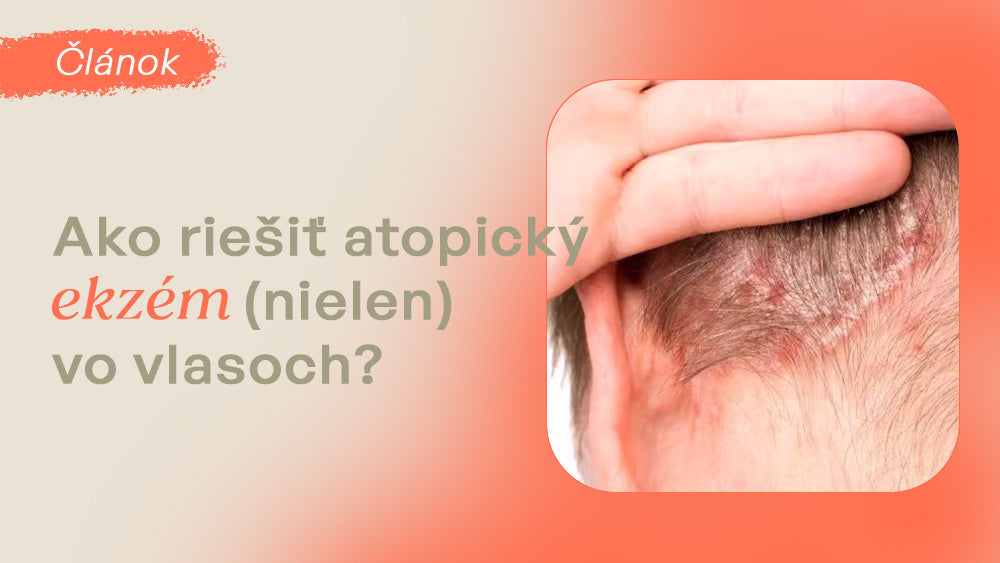
During the flare-up phase, inflamed lesions form, where the skin is thickened, cracked, and red. It most commonly occurs in the elbow and knee creases, shoulders, neck, face, nape of the neck. The manifestations and intensity of symptoms can vary greatly.
It usually manifests as follows:
- dry skin
- itching
- skin patches
- weeping
- cracked and flaky skin
- red lesions on the skin of the hands, feet, ankles, wrists, neck, chest, eyelids, in the creases of the elbows and knees, face, and scalp
Frequent scratching of the skin can lead to injury, irritation, and potentially infection.

If you have found yourself in even one of these sentences, or if you have been directly diagnosed with atopic eczema, you are in the right place. This autoimmune disease can often complicate and make our lives difficult. Not only with constant itching and scratching of sore spots, but also with unpleasant dry patches on the skin, weeping scabs, and constantly dry, flaking skin.
It can also have a great impact on our mental well-being, self-confidence, and how we feel on a given day.
How can trichology help?
Eczema on the scalp manifests with similar symptoms as on other parts of the body.
By visiting a trichologist and diagnosing the scalp, we will discover whether you are indeed suffering from this particular problem, or if it is something else. We will also go through the entire home care routine together – because that is the key to success.
Using chemical cosmetics for skin problems can cause even greater skin irritation and lead to a worsening of the skin problem. We recommend:
- regularly moisturize the skin
- soothe the skin with our Infusion Tonic or Hair Growth Tonic
- wash hair (and thus the skin) after every strain, sports activity – do not leave sweat on it, but always wash thoroughly and gently
- undergo a deep cleansing procedure several times a year to minimize scalp buildup, and at the same time provide the skin with a feeling of relief, cooling, and soothing

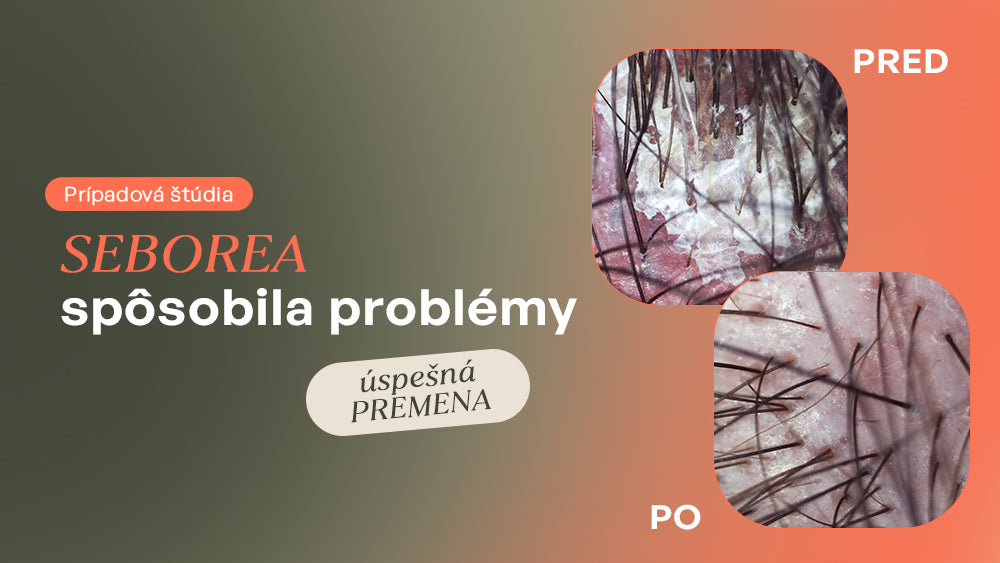
This is what eczema-affected scalp looks like under a trichological camera.
At Hairtherapy salons, we focus not only on hair and scalp, but also on the health and vitality of your entire body.
Skin and autoimmune diseases are largely determined by our internal state – diet, but also by our mental well-being and stress factors, amount of sleep, and sufficient hydration.
Treating eczema with corticosteroids?
Atopic eczema is usually treated topically, with hormonal creams containing corticosteroids.
They quickly regenerate the skin for any problem, but at the same time, they thin and weaken it, unfortunately irreversibly. Corticosteroids can only be prescribed by a doctor and should only be used in truly critical cases and only for a short period, as they have many undesirable side effects.
Therefore, we do not recommend using corticosteroids for skin problems; each subsequent recurrence of the problem is always worse.
Itching symptoms can be alleviated with natural oils and creams that thoroughly hydrate dry and reddened skin without any aggressive effects. One of these is Calming Cream.
How to care for atopic skin?
If you suffer from any chronic condition, you should monitor your body and identify triggers to reduce the risk of disease flare-ups and symptoms.
Typical triggers:
- allergen-containing foods
- polluted and dusty environments
- temperature, cold, low humidity, UV radiation, and others – monitor yourself
- molds and harmful bacteria in the home environment
- animal fur
- tree and grass pollen
- hormonal imbalance
- certain cosmetic products
- certain plants (conifers, ivy, grass, weeds)
- perfumes
- certain types of fabrics (wool)
What is the most effective treatment for eczema?
The most effective treatment for atopic eczema is, of course, one that does not take any further toll on our health. Therefore, we focus on natural treatment and natural cosmetic products, which, unlike various chemically processed medicines and products, have no negative effects on the functioning of our body.
If you would like to consult trichology experts or address your problem immediately, do not hesitate to contact us, and we will be happy to help you!