

Spring Hair Loss: Why It Happens and How to Manage It
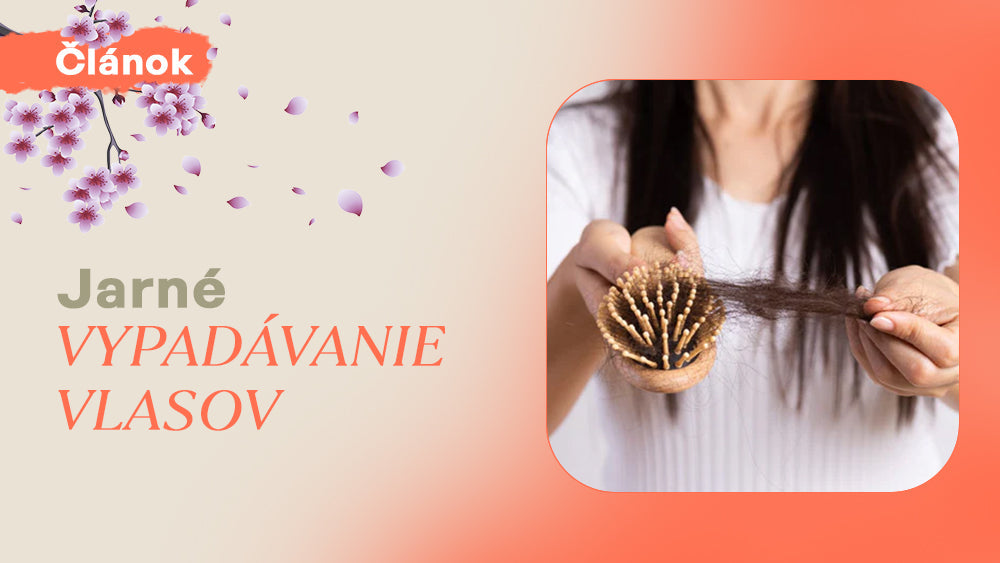
Spring is a season associated with new life, the awakening of nature, and a change in energy. However, for many women (and men), it is also a time when they start to notice more hair loss, thinning, and weakening of hair structure. This is often a combination of several factors that interact and amplify each other. Let's take a closer look at the most common problems and how to solve them.
1. Internal factors that worsen hair condition
Hormonal fluctuations
Our body reacts to changes in light and temperature – these signals influence the production of melatonin and serotonin, which in turn affects hormonal balance.
- Women may experience increased hair shedding after stopping or changing hormonal contraception.
- Postpartum hair loss, which can peak in spring, occurs after childbirth.
- Thyroid-related hormonal disorders (e.g., hypothyroidism) are often diagnosed during this period due to symptoms such as fatigue, hair loss, and dry skin.
- Prolactin levels are also affected. Prolactin is a hormone produced in the brain – specifically in the anterior lobe of the pituitary gland. Although best known as the "breastfeeding hormone," it has many more functions – and also affects the menstrual cycle, fertility, mood, and hair growth. The main functions of prolactin are:
In women:
• Stimulates breast milk production after childbirth
• High levels block ovulation → can cause infertility
• Affects cycle, libido, hormones (estrogen/progesterone)
In men:
• Low levels are normal - but if elevated:
• Can decrease libido
• Cause fertility problems
• Weaken testosterone production
Elevated prolactin:
(hyperprolactinemia) - symptoms:
In women:
• Irregular or absent menstruation
• Milk discharge from breasts outside of breastfeeding
• Low libido
• Fatigue, low mood
• Fertility problems
• Hair loss (especially hormonal)
In men:
• Decreased sexual appetite
• Erectile dysfunction
• Gynecomastia (breast enlargement)
• Sometimes infertility
Seasonal allergies and inflammations
In spring, allergies to pollen, grasses, and other allergens are in full swing. The body's inflammatory response can also affect hair follicles.
Symptoms that may accompany hair loss:
- itchy scalp
- flaking, irritation
- increased sebum production (or, conversely, extremely dry skin)
- sensitivity to touch
Stress and psychological tension
Spring is paradoxically a time when accumulated winter stress is released. Many people experience spring fatigue, anxiety, or mood swings.
Cortisol – the stress hormone – directly affects hair roots, slowing growth and stimulating shedding.
Nutrient deficiency after winter
Winter is a season when we often eat less varied and consume fewer vitamins. The consequences appear belatedly – precisely in spring:
- Low vitamin D levels – crucial for keratin formation.
- Iron and zinc deficiency – causes diffuse shedding and slowed growth.
- Lack of protein – hair is mainly composed of keratin, so proteins are essential for its formation.
Stress is a natural part of life – but if we cannot manage it properly, it can affect our health, mental well-being, sleep, and the quality of our hair or skin. The good news? Learning to manage stress is a skill – and it can be trained. To supplement vitamins and substances to strengthen and promote hair growth, we recommend our dietary supplement - Daily Ritual, with which we have achieved excellent results with clients already in the first months.
2. Poorly adjusted hair care
What are we doing wrong without realizing it?
- Using aggressive shampoos containing sulfates that dry out the scalp and disrupt the protective skin barrier.
- Frequent chemical dyeing weakens the hair structure and makes it prone to breakage.
- Heat styling (straighteners, curling irons, high-heat hair dryers) dries out hair in the long term.
- Excessive use of dry shampoos and hairsprays can clog hair follicles and prevent them from breathing naturally.
- Incorrect washing technique and not following proper hair habits
Why natural hair cosmetics?
Switching to natural hair care – such as Andreine’s – can be a key step towards regenerating both the scalp and the hair itself, if the care is set up correctly.
Benefits of natural cosmetics:
- No silicones, parabens, and synthetics – the skin can “breathe”.
- Contains healing herbal extracts (e.g., rosemary, nettle, burdock) that promote microcirculation, thus hair growth.
- Plant oils and butters (e.g., argan, coconut, shea butter) nourish the hair without weighing it down.
- Suitable for children or people with sensitive skin.
3. How can a trichologist help?
Many people try to solve hair problems "blindly" – through advertisements, online recommendations, or by trying various products. But the truth is that every problem has a different cause, and every person is different.
Trichological analysis helps:
- Determine the type of hair loss (seasonal, telogen, androgenic, alopecia areata…).
- Diagnose the scalp condition (oily, dehydrated, irritated, with dermatitis…).
- Recommend a specific hair routine, shampoos, treatments, or lifestyle changes.
- Provide long-term monitoring – so that changes can be objectively evaluated.
A trichologist becomes your partner in hair care – someone who looks at your hair comprehensively and helps find tailored solutions.
How to distinguish "normal" spring shedding from a problem?
Normal:
• Lasts 4-6 weeks
• More hair sheds, but new growth is visible (baby hairs)
• You don't see thinning on the scalp
Problematic:
• Lasts longer than 2 months
• No new hair grows
• The scalp is irritated, oily, dry, or itchy
Hair is a mirror of our inner self
Spring hair loss can be normal, but it is often a sign that it is time to change something. Think about what your body needs – rest, a balanced diet, gentle care, and perhaps professional help.
You can bring your hair back to life – and it starts with the decision to take care of yourself with love and respect.