


Hair porosity is determined by the hair's protective layer – the cuticle. It is made up of microscopic scales that "stand out" more or less from the hair's surface, thus determining the hair's structure. Hair porosity therefore determines the hair's overall absorbency/permeability. This helps us find out whether the hair is able to absorb a given oil, soak it in, or if it remains on the hair's surface, weighing it down.
Hair porosity, like its quantity, is genetically determined. However, improper care, the use of incorrect products, and chemical treatments can significantly affect porosity.

We divide it into three basic levels:
- low porosity hair
- medium/normal porosity hair
- high porosity hair
Low porosity hair
Hair is smooth, straight, and very fine.
Cuticles are tightly interconnected across the entire surface, making such hair water-resistant. Water passes through them with difficulty – and not just water, but oils and masks too. They absorb substances very slowly and the hair dries very slowly. Thus, hair has difficulty getting hydration and nourishment – making it more susceptible to damage. It can quickly become weighed down by rich products that remain on the hair's surface.
Therefore, we choose oils that are non-hazardous or have a low comedogenic rating:
For example: argan, hemp, poppy, raspberry, prickly pear, safflower, castor, grape, neem, rosehip, sea buckthorn, almond, apricot oil...
Medium/normal porosity hair
Cuticles are slightly open, allowing water, oils, and masks to penetrate into the hair structure. Hair can be smooth, shiny, straight, or slightly curly.
They are very easy to style, hydrate, and nourish in an ideal balance. They are affected by weather – they absorb moisture from the air and can appear frizzy if exposed to temperature changes.
This type of porosity can absorb all active ingredients and retain moisture. They can also handle heavier products, but it will take a while for the product to absorb. Hair does not remain heavy and oily. Thicker oils are suitable; they don't harm the hair but take longer to absorb:
Thicker oils are more suitable; they don't harm the hair but take longer to absorb:
For example: baobab, pumpkin, olive, sesame, plum, prickly pear, evening primrose, moringa, macadamia, avocado, carrot, mustard, corn, chia oils, mango butter, flaxseed, and coconut oil...
High porosity hair
Hair is wavy, curly, frizzy, static, drier, and requires extra care.
The cuticles are open, and the hair literally demands richer oils, butters, or masks to be hydrated and nourished. They can absorb oils quickly, but just as quickly, they can lose moisture precisely because the cuticle does not lie flat on the hair.
If such hair is given the right natural products, gentle care, and nourishment in the form of protein, the hair will be shiny, manageable, and will not appear dull and dry.
It must be noted that heat styling or chemical treatments can so weaken highly porous hair that it may start to break along its length. Therefore, limit these procedures, or even better – eliminate them completely.
All types of oils are suitable, from delicate and light to rich and oily:
For example: flaxseed and coconut, palm, palm kernel oil, soybean, cocoa, shea butter, wheat germ oil, olive, sesame, plum, argan, hemp, poppy, raspberry oil...
Comedogenic rating? What is that?
The correct selection of oils for the specific hair and skin type is always important. The most important factor when choosing oils is the comedogenic rating.
The comedogenic rating is given on a scale from 0 (non-comedogenic) to 5 (highly comedogenic). The rating on the scale provides information on which skin and hair type a given oil is suitable for.
It's not always a hard and fast rule; there are exceptions – someone with fine hair might find a richer oil suitable, and vice versa. The scale serves as a general guide, and then it depends on our personal preferences. The main thing is to listen to what your skin and hair need.
When it comes to the face and scalp, the comedogenic rating can tell us whether a given oil clogs pores (and causes acne) or, conversely, helps with a specific skin problem (dry to flaky or oily skin).
For hair, the goal is for the oil not to weigh down the ends of the hair, not to make them greasy, but rather to nourish them sufficiently. If the hair along its length is bleached, its porosity will be high, the cuticle damaged, and the hair dull, dry, and tangled – therefore, we choose heavy, rich oils to allow the hair to regenerate and nourish itself adequately.
- Comedogenic rating 0 (non-comedogenic) – argan, hemp, poppy, raspberry, prickly pear, mineral, and safflower oil
- Comedogenic rating 1 – castor, grape, neem, rosehip, sea buckthorn, milk thistle, jojoba, pomegranate, and calendula oil
- Comedogenic rating 2 – almond, apricot, baobab, pumpkin, olive, sesame, sunflower, plum, and prickly pear oil
- Comedogenic rating 3 – evening primrose, moringa, macadamia, avocado, carrot, mustard, corn, chia oil, and mango butter
- Comedogenic rating 4 – flaxseed, coconut, palm, palm kernel, soybean, and cocoa butter
- Comedogenic rating 5 – wheat germ oil
It should be noted that some studies and classifications of oils differ. For example, grape seed oil is listed as level 1, but sometimes it can be found at level 2. These two levels do not differ drastically from each other.
When can I use hair oils?
Oils are excellent helpers not only in the fight against acne but also for cleansing and improving the natural barrier of the scalp. A person suffering from skin problems such as seborrheic dermatitis or psoriasis should choose gentler oils that do not clog the scalp. On the contrary: they should relieve burning and itching and help thoroughly clean it from accumulated impurities.
In such cases, we have observed very good results using grape, argan, almond, hemp, raspberry, and sea buckthorn oil.
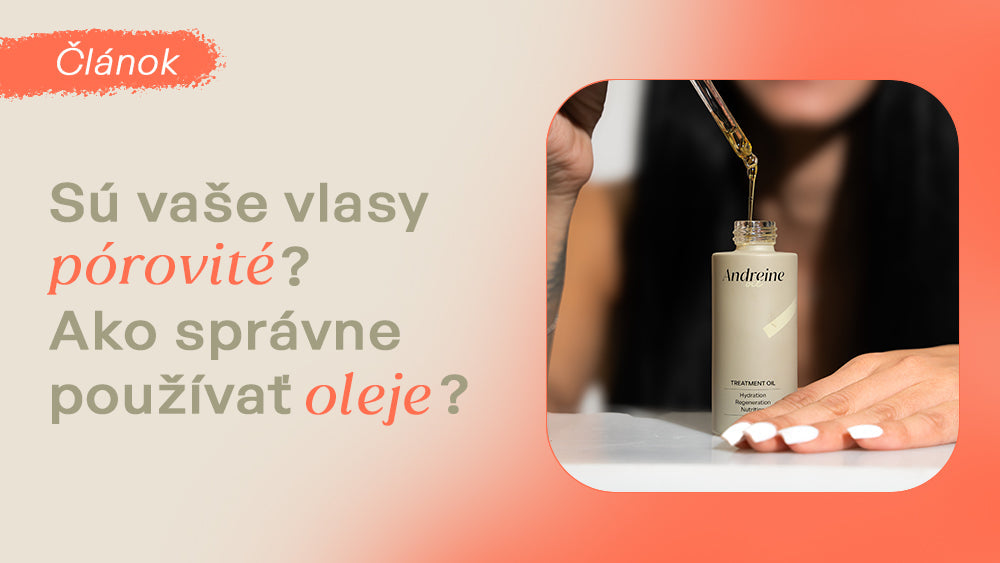
Massaging them into the scalp before washing helps to cleanse, regenerate, and soothe the skin. Regularity of use and the dosage amount are important. For richer oils, just a few drops in your hands should be spread and rubbed into the hair, or repeated multiple times if needed. The key is to find the oil that suits you best – whether for your face, scalp, or hair itself.